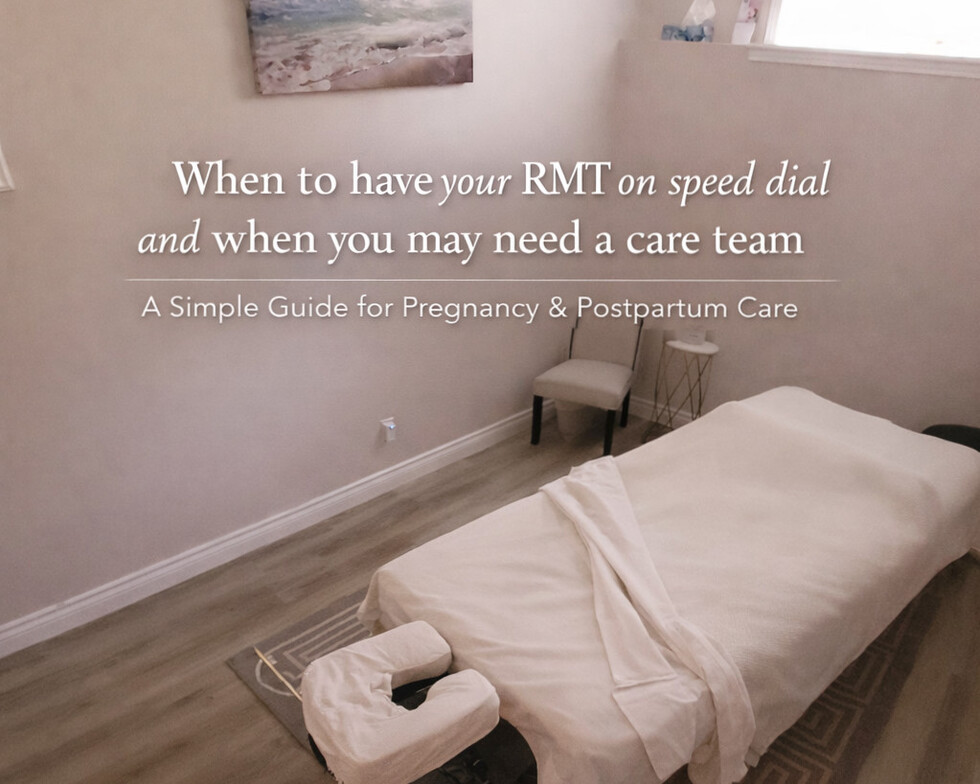
Should I Book a Massage or See Someone Else? A Simple Guide for Pregnancy & Postpartum Care
From Delia — RMT in Kingston, Ontario, here to help you feel more like yourself again.
Hi there
If you’re pregnant or newly postpartum, chances are you’ve had at least one of these thoughts recently:
-
“Everything aches, but I don’t know where to start.”
-
“Is massage enough, or should I be seeing a chiropractor or physio?”
-
“Am I just tired… or is this something I should get help for?”
You're not alone. I hear this all the time in my practice here in Kingston—and honestly, it makes total sense. Pregnancy changes your body fast, and not every symptom has a clear answer.
If you’re looking for some clarity before booking your first massage, I’ve put together a gentle, simple guide that can help.
Quick note before we dive in: this isn’t medical advice—it’s perspective from someone who’s had a lot of bodies on their table, and who genuinely cares about helping you feel better. I always encourage clients to check in with their doctor or midwife, and I work best as part of a collaborative care team—not in a silo.
Massage, Chiro, Physio—What’s the Difference?
They’re all valuable, but they focus on different layers of the body:
-
Massage therapy is a great starting point when your discomfort is muscular, your nervous system feels overloaded, or you just feel “off” in your body.
-
Chiropractic care is helpful if you have sharp, joint-based pain, like sciatica or something that feels “stuck.”
-
Physiotherapy is ideal when you're dealing with incontinence, abdominal separation, or recovery after a difficult birth.
These aren’t strict lanes—we’re better together. Clients often feel their best when we share notes and support each other’s work.
What I Can Help With (and When I Refer Out)
As a Registered Massage Therapist (RMT) in Ontario, my work focuses on supporting your soft tissue and nervous system. That includes:
-
Pregnancy-related back, hip, or neck pain
-
General muscle tension
-
Swelling in feet or hands (once cleared by your provider)
-
Stress, anxiety, or sleep issues
-
Postpartum aches and recovery
-
Breastfeeding-related upper body tension
I don’t adjust joints or prescribe rehab exercises—but I will absolutely let you know if I think someone else should be involved. Your care should be a team effort.
Not Sure Yet? Let’s Make It Easy
If you're dealing with tightness, swelling, or emotional burnout, massage is often the most supportive place to start.
You can book a session or consultation online anytime:
prenatalmassagekingston.janeapp.com
The Research Backs It Up
Massage therapy has been studied in pregnancy and postpartum—and the results are encouraging:
-
Regular massage lowered cortisol levels (that’s your main stress hormone)
-
Weekly sessions helped reduce back and hip pain by 2+ points
-
One session led to deeper sleep that same night
-
Gentle techniques helped reduce swelling
-
Postpartum massage lowered depression screening scores
All of this sits firmly in the scope of massage therapy: soft-tissue support and nervous system regulation. This is where massage shines.
When You Might Want to Start With Massage
Massage tends to help most when you’re dealing with things like:
-
“My whole body feels tight.”
-
“My brain won’t slow down.”
-
“My neck and shoulders ache from breastfeeding and holding.”
-
“I just want to feel cared for.”
If that’s where you’re at, there’s a good chance I can help.
When It’s Time to Involve Someone Else
There are times I’ll recommend adding a chiropractor or physiotherapist to your care team.
Consider chiro if you’re noticing:
-
Sharp, locking joint pain
-
Clicking or popping in your pelvis
-
Shooting pain down your leg
Consider physio (especially pelvic floor-focused) if you’re dealing with:
-
Difficulty walking or lifting
-
Bladder leaks
- Painful or difficult intercourse
-
Ab separation (diastasis)
-
Recovery from a cesarean or birth trauma (RMT's can also preform scar massage)
Many of my clients combine massage with physio or chiro care. We all want the same thing: for you to feel better. And when we each do what we do best, your care feels more complete.
What Happens at Your Visit
At your first session, we’ll check in about how you’re feeling, what stage you're at, and whether there are any red flags to be aware of.
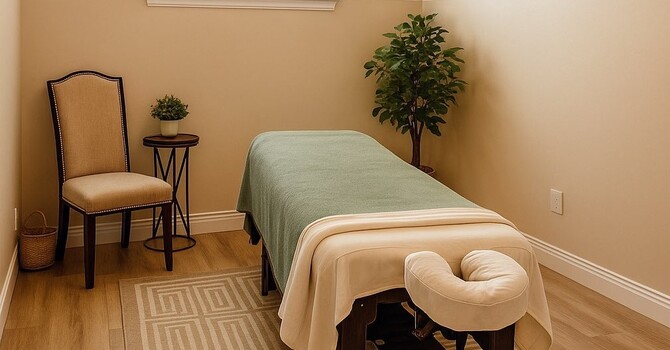
Then we’ll get you into a comfy side-lying position with lots of support pillows or face down in he body cushion system (20 wks or below depending on size and positioning of belly) and I’ll use gentle, targeted techniques based on what your body needs most.
What a Massage Plan Looks Like
Everyone’s different, but here’s what I often recommend:
-
Stress or mood support: 20–30 minutes, 1–2×/week for 6–8 weeks
-
Pain or swelling: 30–45 minutes weekly (or more if pain is high)
-
Labour prep: Start around week 36—bring your partner if you'd like to learn gentle techniques
-
Postpartum recovery: 4 weekly sessions early on, then space them out as needed
We’ll always adjust the plan together. Your care should fit you, not the other way around.
A Gentle Nudge to Book
If your main challenges are muscle pain, swelling, stress, or sleep... you don’t need to wait until it gets worse.
Massage can help—gently, measurably, and supportively—right where you are.
And if it turns out you need more than massage? I’ll help you figure out the next step.
Want to Book with Me?
I’d love to support you—whether you’re 14 weeks pregnant, 3 weeks postpartum, or just so ready for someone to take the weight off your shoulders.
Based in Kingston, Ontario
Book online: prenatalmassagekingston.janeapp.com
Learn more: prenatalmassagekingston.com
Read about prenatal massage: Click here
Let’s find what works for your body—together.
Delia Caranci
Contact Me
%20(1).jpg)