Bringing a baby into the world is an incredible transformation and so is the physical recovery that follows. While many new moms expect the fatigue and the "postpartum hunch," few are prepared for the sharp, stabbing pain in their wrists every time they reach for their little one.
If you’ve found yourself wincing while lifting your baby from the crib or struggling to peel the tags on a diaper, you aren't alone. This common affliction is known as “Mommy Wrist” (or De Quervain’s Tenosynovitis). It is a result of the "perfect storm" of biological changes and the repetitive physical demands of newborn care.
As an RMT in Kingston specializing in prenatal massage and postpartum massage, I see this condition frequently. The good news? It is treatable, manageable, and preventable.
What Exactly is Mommy Wrist?
The medical name, De Quervain’s tenosynovitis, describes an inflammation of the tendons that run along the thumb side of your wrist. These tendons live in a very narrow "tunnel" or sheath. During pregnancy and postpartum, two main things happen:
-
Hormonal Shifts: Your body produces Relaxin to soften ligaments for birth. This laxity extends to your wrists, making the joints less stable and the tendons more susceptible to strain.
-
Fluid Retention: Postpartum edema (swelling) can "crowd" that narrow tendon tunnel, causing friction and pain every time you move your thumb.
When you add the repetitive "L-Lift"—lifting your baby by placing your thumbs under their armpits—the tendons become irritated and swollen.
Is it Mommy Wrist or Carpal Tunnel?
Many parents confuse these two, but as a specialist, I help you distinguish between the two so you get the right care:
-
Mommy Wrist: Sharp, stabbing pain at the base of the thumb. It hurts most when you make a fist, grip a bottle, or lift your baby.
-
Carpal Tunnel (CTS): Usually involves numbness, tingling, or "pins and needles" in the first three fingers. It often feels worse in the morning because our hands tend to curl up while we sleep.
The Finkelstein Test: Tuck your thumb into your fist and gently tilt your hand downward (toward your pinky). If this triggers a sharp "zing" on the thumb side, you likely have Mommy Wrist.
Practical Tips for Recovery
Rest is the "gold standard" for tendonitis, but as a parent, that isn't always realistic. Here is how to modify your day-to-day movements:
-
The "Scoop" Lift: Keep your wrists straight and palms up. Scoop under your baby’s bottom and head, using your larger biceps to do the lifting rather than your thumbs.
-
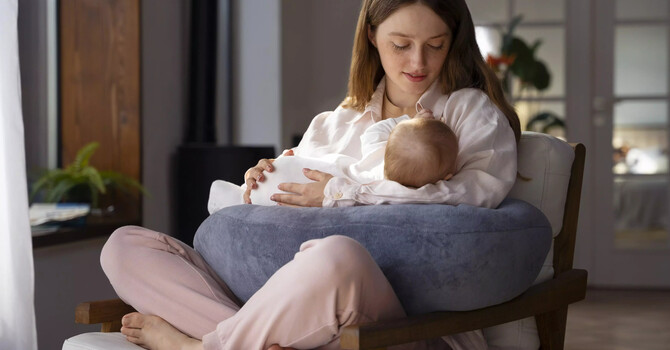
Ergonomic Feeding: Use pillows to bring the baby to you. If you are supporting your baby's head weight with your hand for 20 minutes at a time, your wrist will flare up. (This is something I can help nursing parents with during postpartum doula shifts).
-
Contrast Bathing: If you notice swelling, alternate between warm and cold. 1 minute in warm water to relax the muscles, followed by 30 seconds in iced water to flush inflammation.
How Specialized Massage Therapy Helps
In my Kingston clinic, we don't just "rub the sore spot." We treat the entire kinetic chain. Postpartum pain is often a result of tight chest muscles pulling on the shoulders, which strains the elbows, eventually causing the wrist to fail.
When you book a Postpartum Massage Treatment, we focus on:
-
Forearm Release: Releasing the Brachioradialis and thumb extensors to give your tendons the "slack" they need to heal.
-
Postural Reset: Opening the chest and shoulders to offload the stress traveling down your arms.
-
The "Doula" Perspective: We talk about your home setup from nursing stations to car seat carries so the pain doesn't return the moment you leave the table.
Be Kind to Your Body
Caring for a budding heavyweight 24/7 is a massive physical feat. You deserve to do it without pain. If you’re struggling with "Mommy Wrist" or general postpartum aches, early intervention makes a world of difference.
When you feel ready, I’d be honored to support you with prenatal or postpartum massage in Kingston. Together, we can create a space for rest, recovery, and a return to pain-free parenting.
Delia Caranci
Contact Me