Looking for prenatal massage in Kingston, Ontario? If you're pregnant and thinking about booking a massage, you might be wondering how to find someone who understands what your body needs.Pregnancy brings many changes. Your posture shifts, your muscles work differently, and finding a comfortable position can become harder. Maybe your back aches, your hips hurt, or neck tension and headaches are making daily life more difficult.
A Registered Massage Therapist (RMT) with additional training in prenatal massage can help you manage some of these concerns. But with so many options, how do you know what to look for?
Here are seven green flags to look for when choosing a prenatal massage RMT in Kingston.
1. They Have Additional Training in Prenatal Massage
RMTs already have training in anatomy, assessment and massage therapy. Additional prenatal massage training builds on that knowledge and helps them understand how pregnancy can affect treatment.
Pregnancy massage isn't simply a regular massage with a few extra pillows. Changes in your body may affect how you're positioned, which techniques are suitable and what your treatment needs to focus on.
A trained RMT should understand how to adjust treatment for your stage of pregnancy, comfort and individual needs.
Green flag: They're happy to explain their prenatal training and how it shapes the way they treat pregnant clients.
2. They Ask Questions Before Getting Started
Your pregnancy, health history and symptoms all matter. A good appointment starts with a conversation, not just instructions to get on the table.
For example, lower back pain might be related to changes in posture and how your body carries weight. Hip discomfort, headaches and neck tension may have different causes and need different approaches.
Your RMT should ask about your symptoms, how they affect your daily life, any relevant health conditions and whether anything has changed since your last visit. They should also recognize when a concern may need medical attention.
You don't need to know exactly what's causing your pain. Understanding your symptoms and assessing how your body moves are part of your RMT's role.
Green flag: They listen, ask useful questions and explain why they're choosing a particular approach.
3. They Know How to Position You Comfortably
Finding a comfortable position is an important part of prenatal massage, especially as your pregnancy progresses.
Lying on your stomach may become uncomfortable or unsuitable. Lying flat on your back can also cause dizziness, nausea or shortness of breath for some pregnant clients, particularly later in pregnancy.
Side-lying is a useful option because it allows room for your growing belly and breasts without putting direct pressure on them. Pillows and bolsters can support your body and help keep you comfortable.
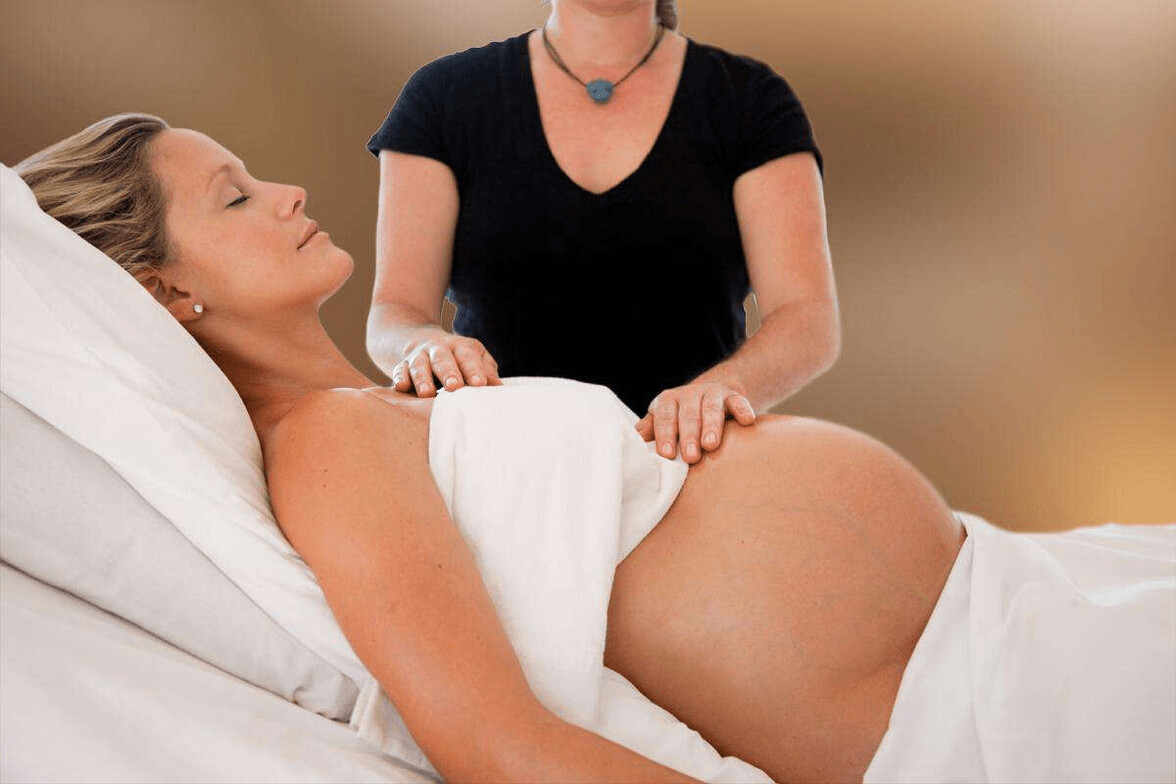
A supported, semi-reclined position may also work well. The best setup depends on your stage of pregnancy, symptoms and personal comfort.
You don't need a particular brand of equipment to receive good care. What matters is that your RMT knows how to support your body and adjust your position when needed.
Green flag: They check how you're feeling, offer suitable options and make changes when something isn't comfortable.
4. They Adjust Pressure and Techniques to Your Needs
You may have heard that prenatal massage must always be gentle. That's not necessarily true. The right pressure depends on the area being treated, your symptoms, how your body responds and other health considerations.
For example, the approach used for hip discomfort may be different from the approach used for neck tension or headaches.
More pressure doesn't always mean better results. Massage can be helpful without causing pain, and you shouldn't feel that you have to tolerate discomfort to get a benefit.
Green flag: Your RMT explains their approach, checks in with you and adjusts the pressure when needed.
5. They Know When Massage Isn't the Right Next Step
Good clinical judgment matters just as much as massage skills.
Having a high-risk pregnancy doesn't automatically mean you can't receive massage. It depends on your health condition, how well it's managed, your symptoms and any advice or restrictions from your healthcare team.
However, some symptoms need medical attention before massage is considered. These can include vaginal bleeding, possible leaking of amniotic fluid, signs of preterm labour or symptoms that may suggest preeclampsia. New swelling with pain, especially when it affects one leg, may also need prompt medical assessment.
A qualified RMT should know when to postpone treatment, recommend medical advice or refer you to another healthcare professional.
This isn't about making pregnancy more worrying. It's about knowing when massage may be helpful and when another type of care is needed first.
Green flag: They take your concerns seriously and never promise to treat every symptom with massage.
6. They Want to Know What Is Bothering You
Knowing that you're pregnant doesn't tell your RMT everything they need to know.
Maybe your lower back hurts after sitting at work. Perhaps hip discomfort makes walking harder, or neck pain and headaches are affecting your sleep.
These details help your RMT understand what you're dealing with and what you want to improve. They can then use that information to guide your treatment and check how you're responding.
The goal isn't to give every pregnant client the same massage. It's to focus on your needs that day.
Green flag: They ask what you want help with and how your symptoms affect your everyday life.
7. You Feel Comfortable Asking Questions and Speaking Up
Training and experience are important, but so is feeling comfortable with the person treating you.
You should be able to ask why a particular position is being used, request a change or speak up if something doesn't feel right. Your RMT should listen and adjust the treatment when needed.
Good communication also means checking in throughout the appointment. Your comfort and consent matter, and your needs may change from one visit to the next.
At Kingston Prenatal Massage, you'll see Delia Caranci, RMT, for your appointment. I have 19 years of experience in massage therapy, along with additional prenatal massage training.
My practice is in a dedicated treatment room in my Kingston home, with a private entrance. I take time to understand what's bothering you and adapt treatment to your needs that day.
Green flag: You feel heard, respected and involved in decisions about your care.
Looking for Prenatal Massage in Kingston?
Choosing a prenatal massage RMT involves more than finding an available appointment. Training, clinical judgment, comfortable positioning and an approach that fits your needs all matter.
At Kingston Prenatal Massage, I provide one-on-one prenatal massage in a dedicated treatment space in Kingston, Ontario.
You can learn more about prenatal massage in Kingston or view available appointments and book online.
Frequently Asked Questions About Prenatal Massage in Kingston
What should I look for in a prenatal massage RMT in Kingston?
Look for an Ontario Registered Massage Therapist with additional prenatal massage training. They should ask about your health and symptoms, know how to position you comfortably and adjust treatment to your needs. You should also feel comfortable asking questions.
Is prenatal massage different from regular massage?
Yes. Pregnancy can affect your comfort, positioning and treatment needs. An RMT with prenatal training knows how to consider these changes and adapt treatment to the individual.
What is the safest position for prenatal massage?
Side-lying is a useful option, especially as pregnancy progresses. It allows room for your belly and breasts and can be supported with pillows or bolsters. A semi-reclined position may also be suitable. The right choice depends on your comfort, symptoms and individual circumstances.
Can someone with a high-risk pregnancy receive prenatal massage?
Possibly. A high-risk pregnancy doesn't automatically rule out massage. The decision depends on the health condition, how it's managed, current symptoms and any advice from the healthcare team. Medical guidance may be needed before treatment.
Does prenatal massage always need to use lighter pressure?
No. The right pressure depends on your symptoms, the area being treated, how your body responds and any relevant health concerns. Massage should not need to hurt to be helpful, and your RMT should adjust the treatment to your needs.
When should I seek medical advice instead of booking a massage?
Symptoms such as vaginal bleeding, possible leaking of amniotic fluid, signs of preterm labour or possible preeclampsia need medical assessment. New swelling with pain may also need prompt attention. Sudden or severe symptoms may require urgent care. Massage is not a substitute for medical assessment.
How do I book prenatal massage in Kingston?
You can check availability and book through the Kingston Prenatal Massage online booking page
Delia Caranci
Contact Me